“I already replaced the battery.”
Start with charging voltage, cable condition, starter draw and parasitic drain instead of replacing another battery.
The Shop Dogs is the repair side of Tim's automotive world: a straightforward place for diagnostics, maintenance and repairs without mystery language or parts-cannon guessing. Tell us what the car is doing. We trace the cause, explain it, repair it, and verify the result.

The service architecture is built around vehicle systems and symptoms instead of pushing a menu of parts. The first job is to understand what failed and why.
Start with testing, not guessing. Scan data, electrical checks, mechanical inspection and symptom verification before a repair path is recommended.
Brake noise, vibration, pedal feel and warning-light concerns traced to the actual cause, then repaired and verified.
Control arms, shocks, struts, wheel bearings, steering components and the things that make a car feel loose, noisy or wrong.
Batteries, alternators, starters, parasitic draw, power concerns and circuit-level faults that need more than a parts cannon.
Cooling systems, leaks, ignition, sensors, belts, hoses and engine-running issues diagnosed from symptoms and data.
Routine maintenance organized around the actual vehicle, mileage, condition and how it is used.
Tire condition, abnormal wear, wheel concerns and the chassis symptoms that often get mistaken for tire problems.
A second set of experienced automotive eyes before money changes hands. Condition, visible concerns and repair-risk context.
A vibration can feel like a tire and turn out to be a wheel bearing. A dead battery can really be a charging issue or parasitic draw. Repair gets better when diagnosis starts with the whole vehicle.
This educational triage tool turns a symptom into a sensible first diagnostic path. It does not replace an inspection, and it does not pretend a dropdown can diagnose a car.
The repair flow is deliberately boring in the best way: listen, test, explain, repair, verify. The goal is a car that is actually fixed, not a receipt full of experiments.
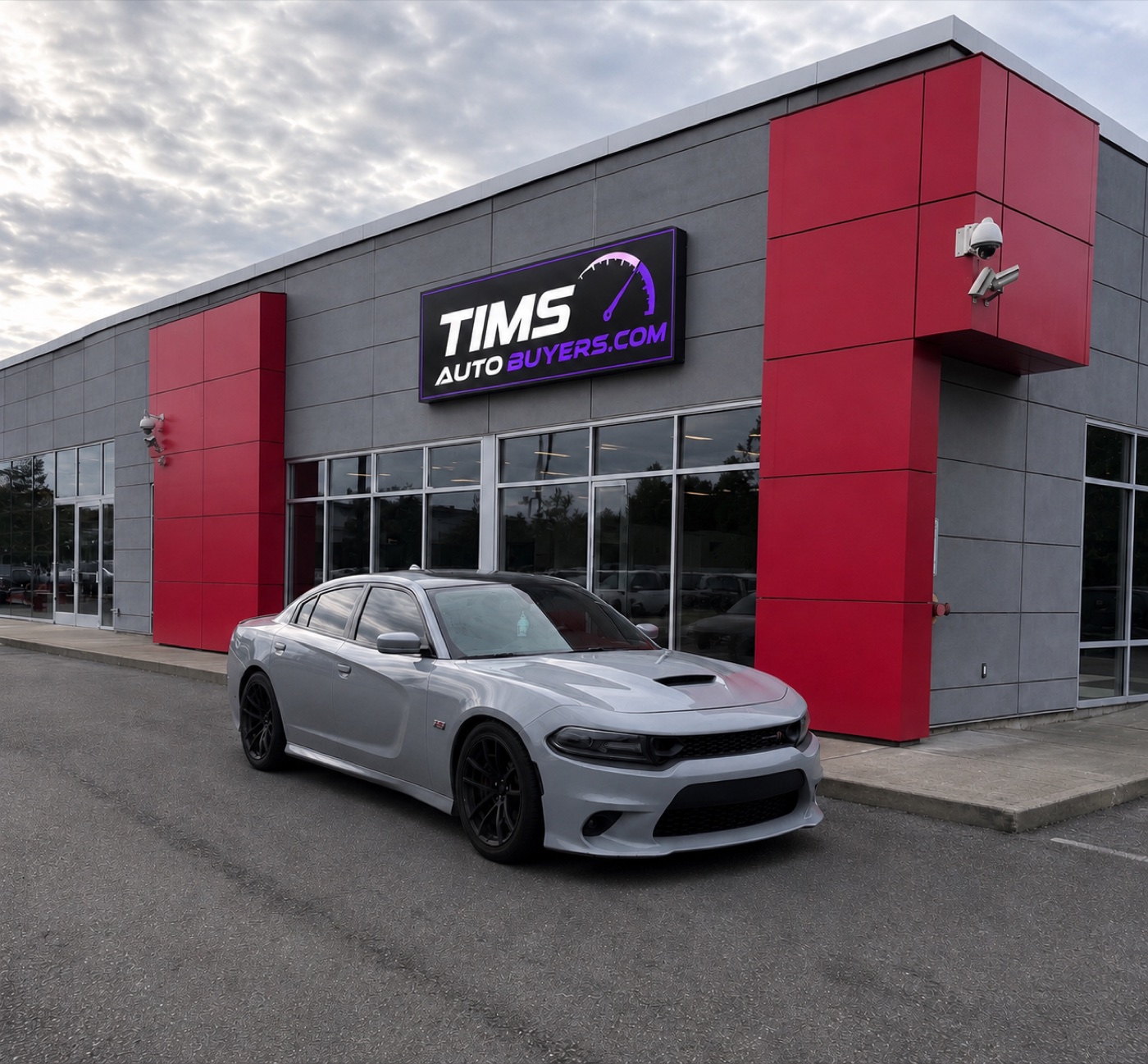
These photographs come from Tim's current public Kirkland automotive operation and are packaged locally into this site. They establish the same purple, performance-minded family DNA while The Shop Dogs gets its own repair-first identity.
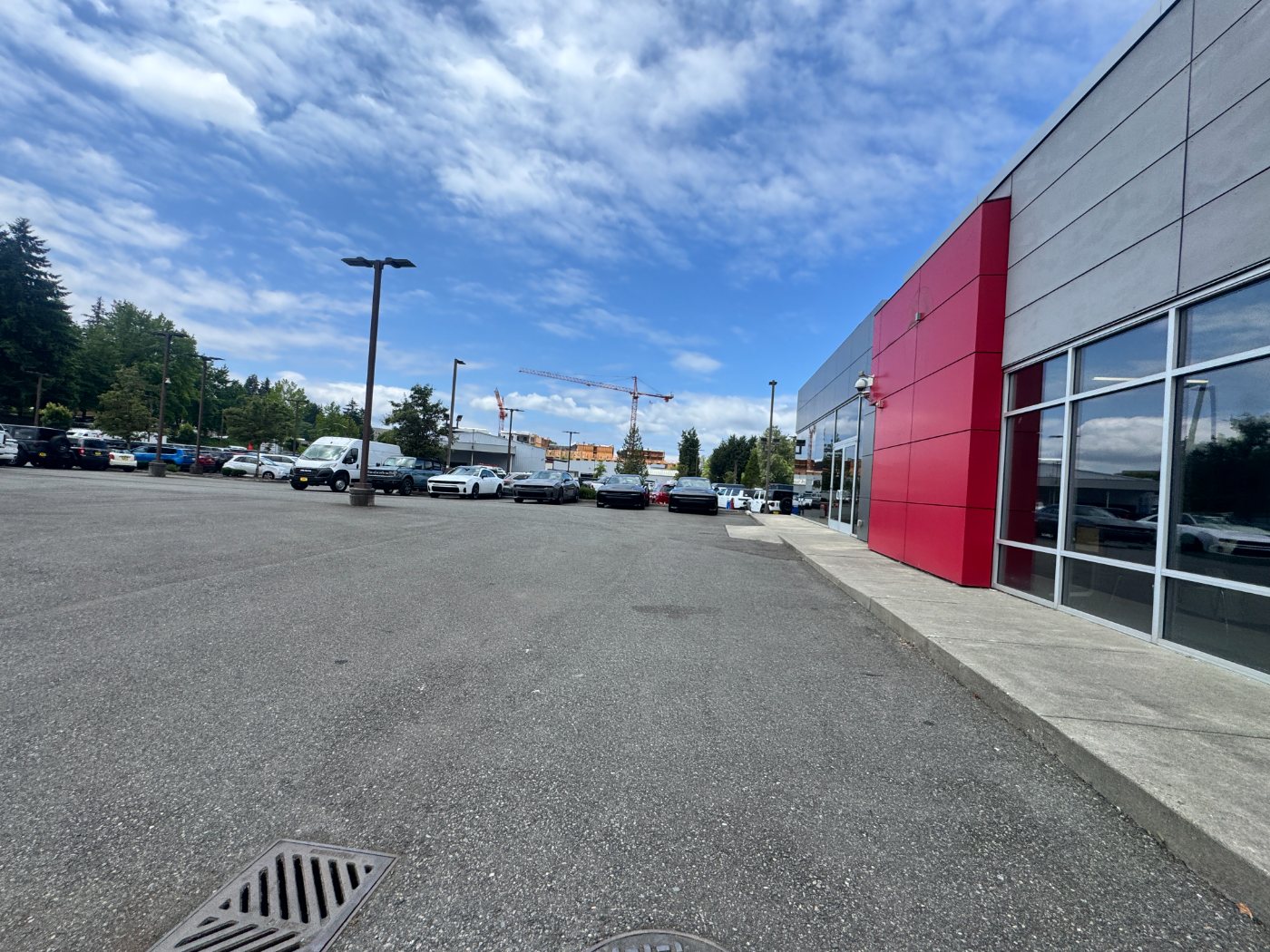
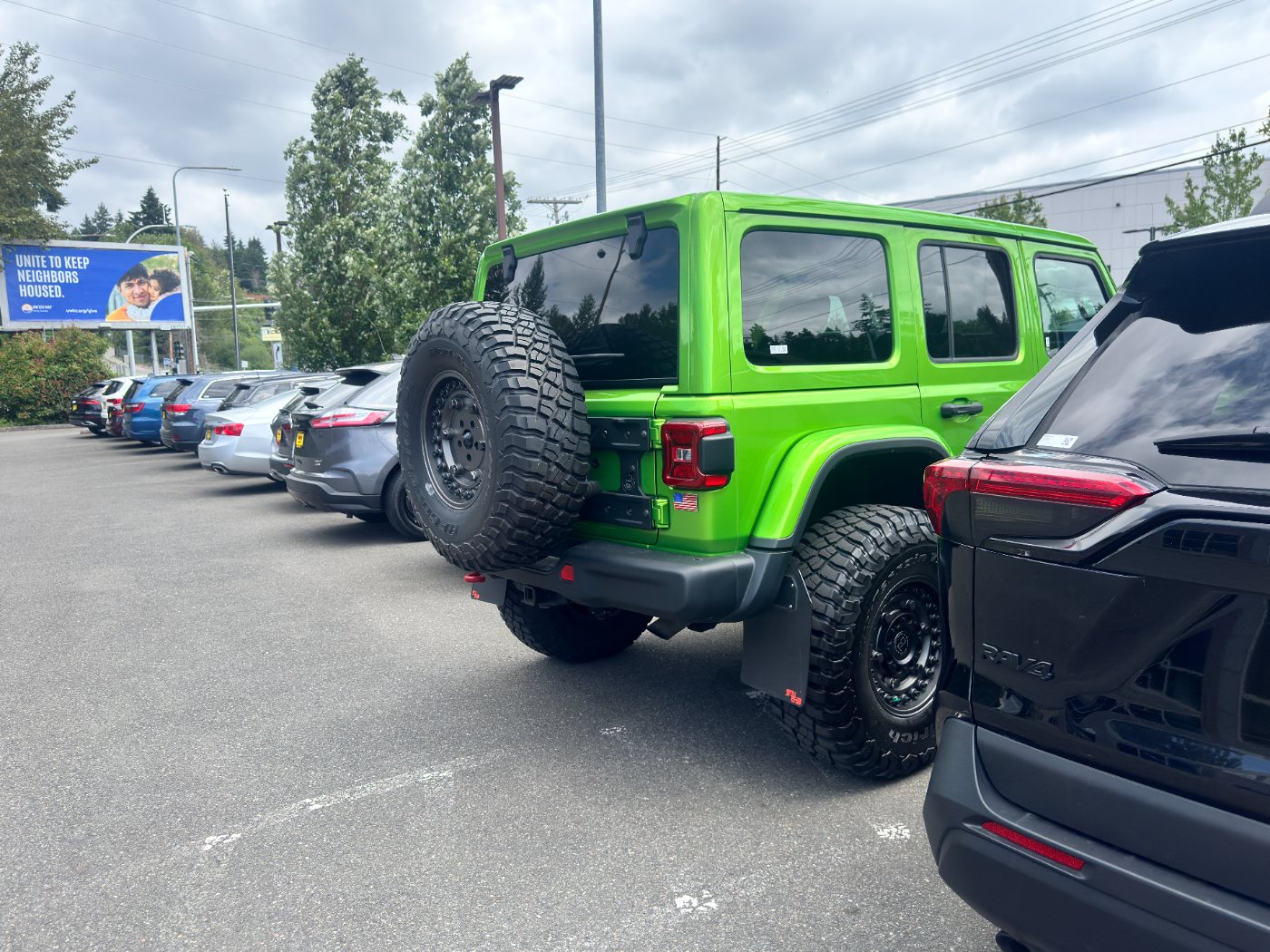
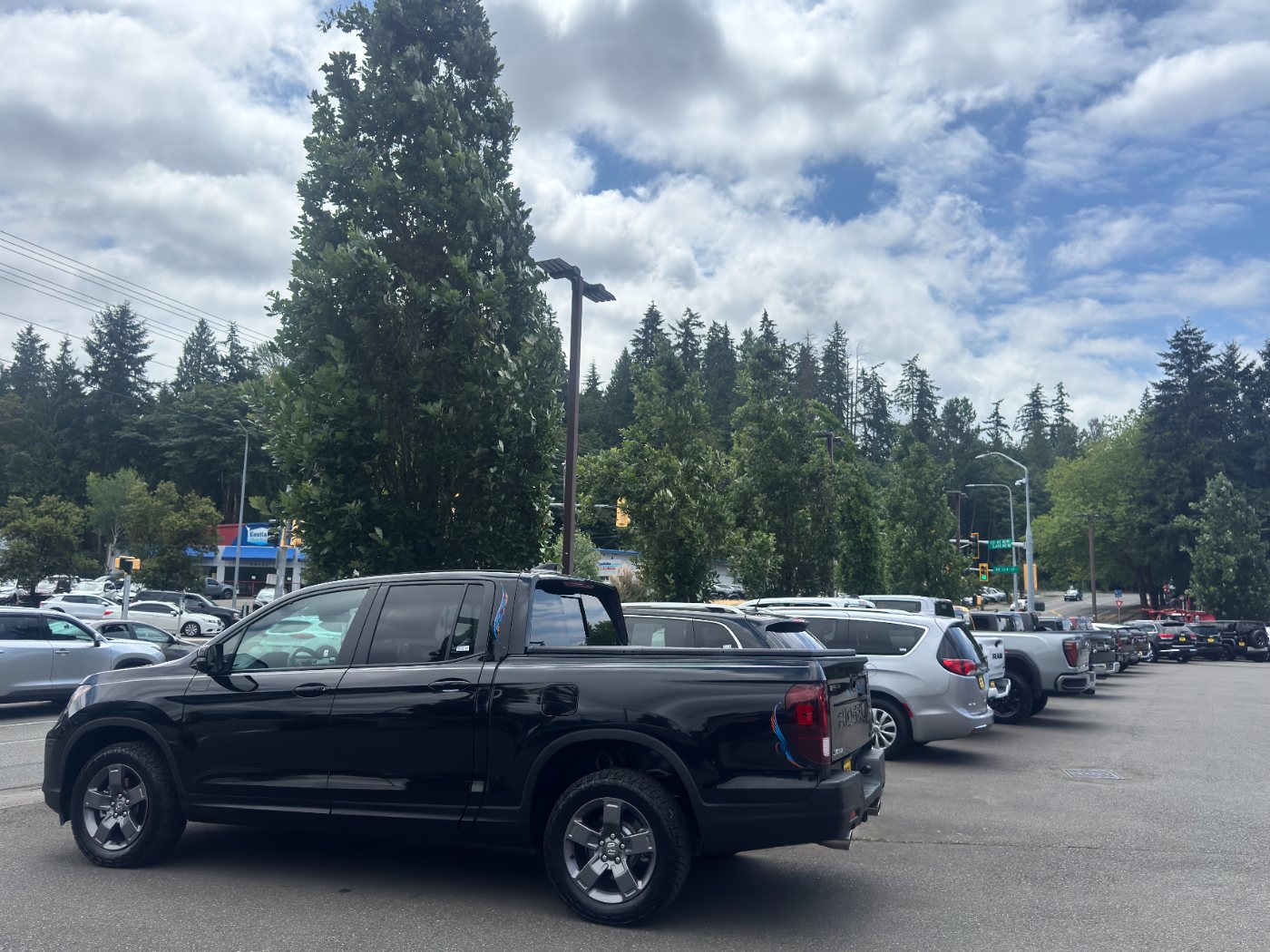
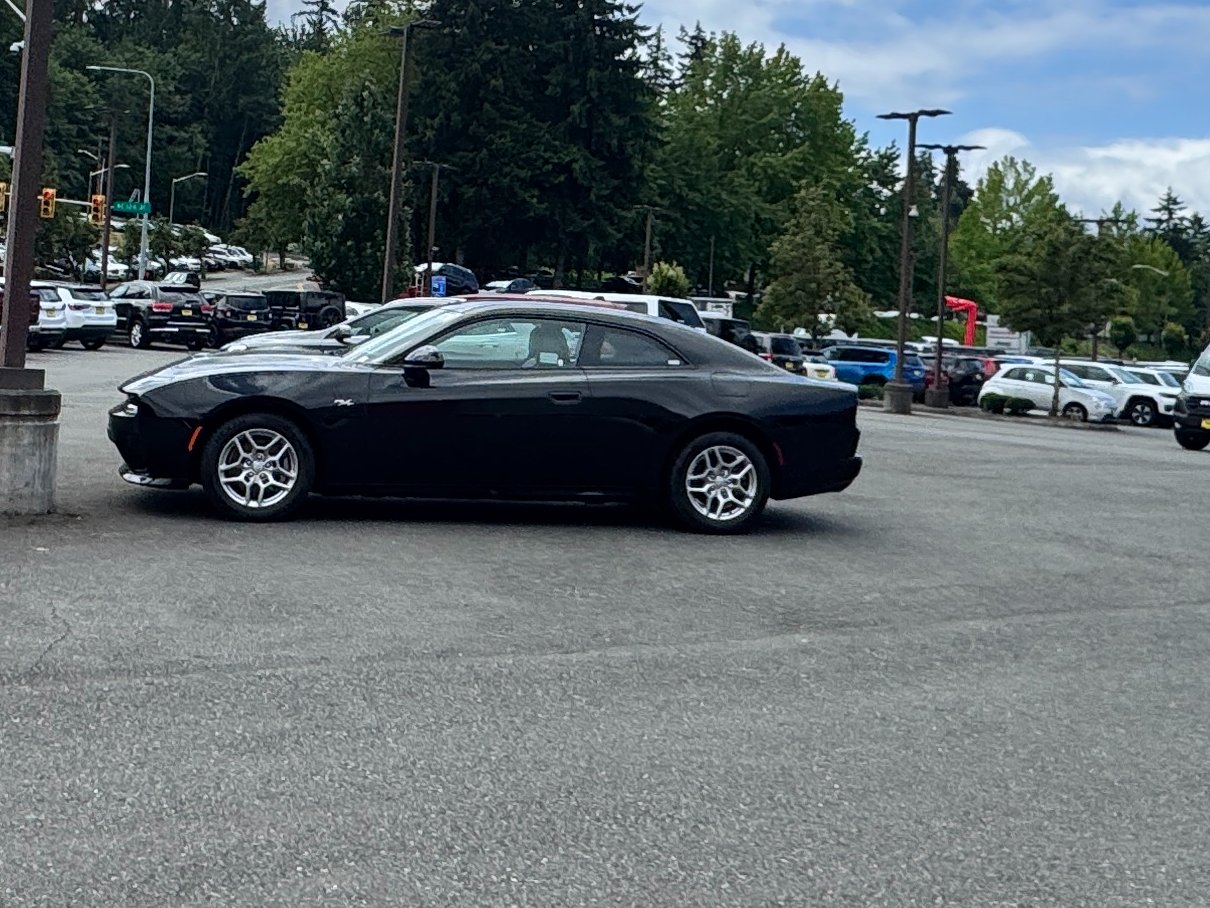
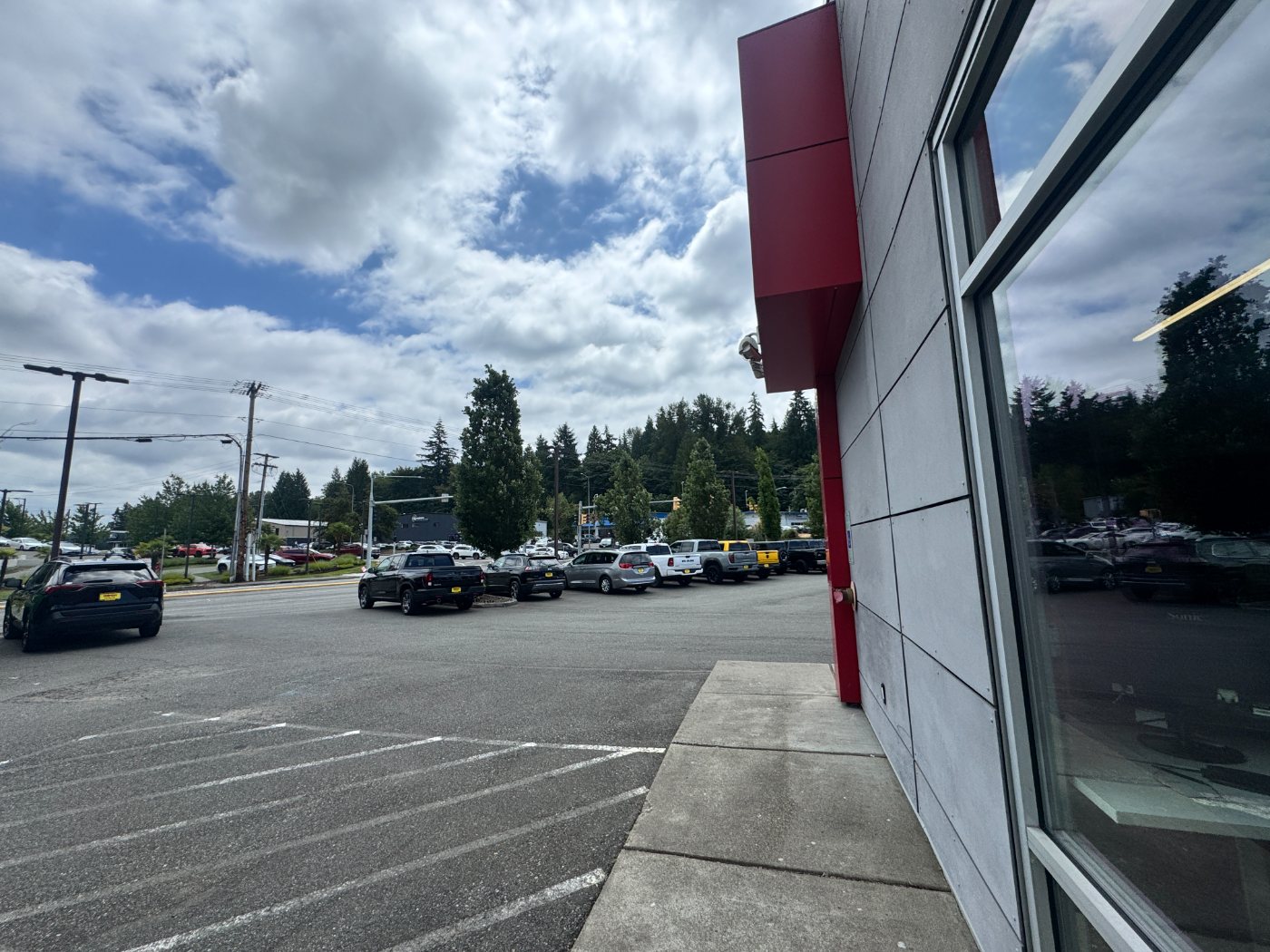
Tim's current public automotive bio says he has spent 13+ years in the car business, worked across multiple sides of the industry, managed and promoted shops, bought from auctions and off the street, and personally owned more than 60 vehicles across many brands.
The Shop Dogs turns that experience toward the thing owners need after the purchase: figuring out what is wrong, deciding what actually matters, and fixing the vehicle without making the process harder than it needs to be.
Can the original complaint still be reproduced after the repair?
Where applicable, re-scan and confirm the data tells the same story as the repaired vehicle.
Check the work area, connections, routing and anything disturbed during service.
Verify noise, vibration, steering, braking and drivability under the conditions that matter.
Confirm any relevant fluid level and inspect for new or continuing loss.
Tell the owner what was repaired, what was observed, and what can wait.
These are repair-pattern examples for the site architecture, not claims about specific completed customer jobs.
Start with charging voltage, cable condition, starter draw and parasitic drain instead of replacing another battery.
Road test, tire inspection and wheel-bearing isolation before ordering suspension parts because the sound seems to come from a corner.
Fan operation, airflow, coolant condition and pressure testing tell a very different story than an overheating complaint at highway speed.
No need to diagnose it yourself. Tell us the symptom, when it happens and what has already been tried. That gives the shop a better starting point than “I think I need an alternator.”